Blog
Latest articles, updated automatically as new posts are published.
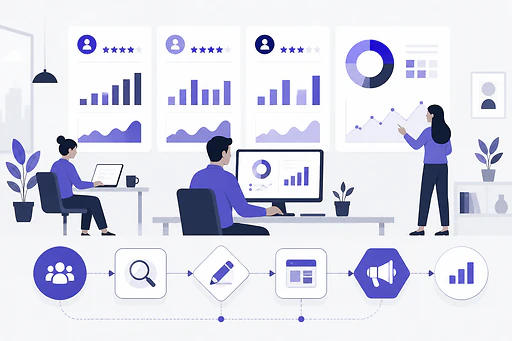
SEO for Agencies: The Stack That Actually Scales
How agency SEO really scales: the four-phase workflow, the five-layer tool stack, white-label reporting, and consolidating Google rank, local, and AI visibility.
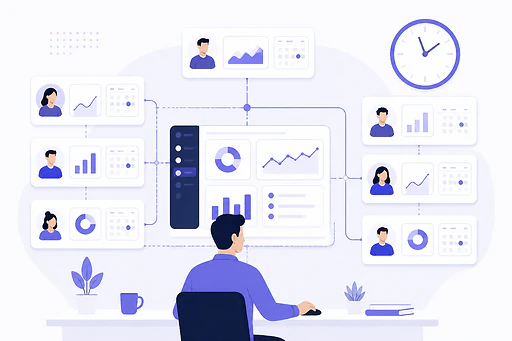
How to Manage SEO for Multiple Clients: An Ops Playbook
The operating playbook for a 10 to 30 client SEO roster: project structure, seats and roles, action boards, alert-driven triage, and faster reporting.
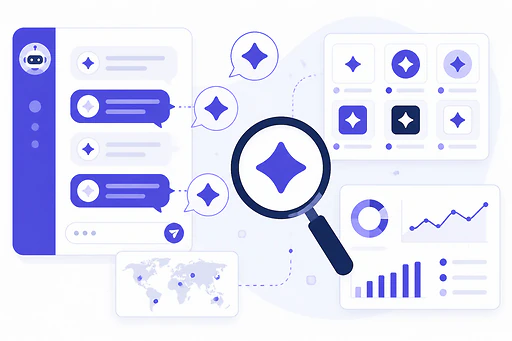
How to Track Your Brand's Mentions in ChatGPT
ChatGPT recommends brands every day, but it will not show up in your analytics. Here is a practical, repeatable way to track how often ChatGPT mentions and cites you.
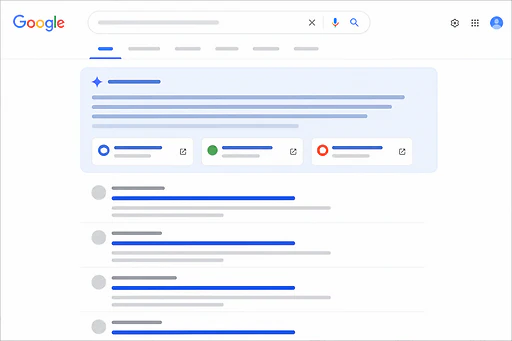
Tracking Google AI Overviews: What Changed and What to Do
AI Overviews put an AI answer above the blue links and can cut clicks even when you rank. Here is how to track your presence in them and how to earn citations.
Choosing an SEO Tool in the AI Era: A 2026 Checklist
Classic SEO suites are great at rankings but blind to AI answers. Here is a practical checklist for choosing a tool that covers SEO, local, and AI visibility.
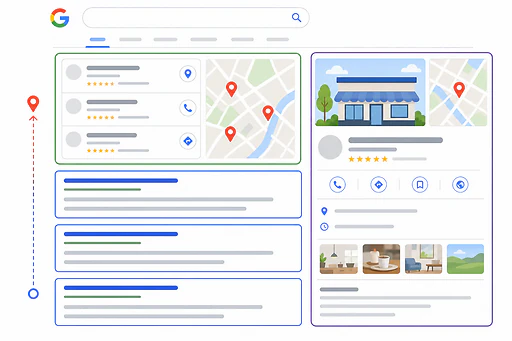
Local SEO: The Complete Guide to Local Rankings
Local SEO puts you in Google's map pack and local results. The 3 factors that decide it, Business Profile tips, and how to track rank by location.

How to Rank on ChatGPT: What Gets You Cited
Ranking on ChatGPT means getting cited, not hitting position 1. Here's how AI answers pick brands, the signals that matter, and how to track your visibility.

How Much Does Local SEO Cost? Real Numbers
Local SEO runs $500 to $2,500/mo at an agency, $400 to $1,500 freelance, or under $150/mo in tools DIY. What moves the quote and where the money goes.

What Is AI Visibility? (And Why GEO Is the New SEO)
AI visibility, or GEO, is how often ChatGPT, Gemini, Perplexity and AI Overviews mention and recommend your brand. Here is what it measures and how to improve it.

White Label SEO Reports: What Clients Actually Read
What clients read in a white label SEO report, which sections to cut, why heatmaps and AI-visibility trends beat rank dumps, and what portals cost.
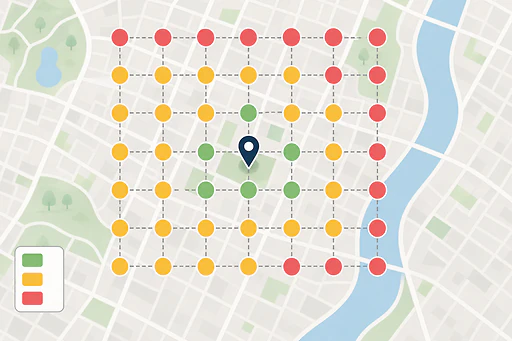
Local Grid Rank Tracking, Explained: Why Your Average Rank Lies
A single average rank hides where you actually win and lose on the map. Here is how geo-grid local rank tracking works and why it changes your local SEO.
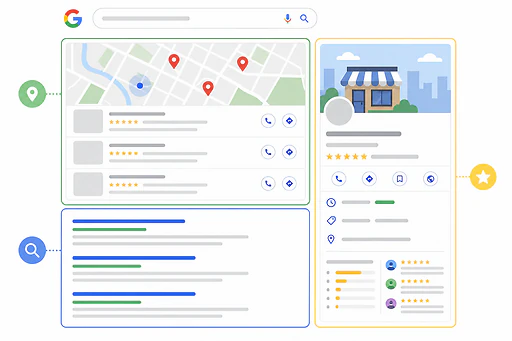
Local SEO for Small Business: The 2026 Playbook
The moves that actually rank a small business in Google's map pack: Google Business Profile, NAP, reviews, local pages, plus how to track real local visibility.
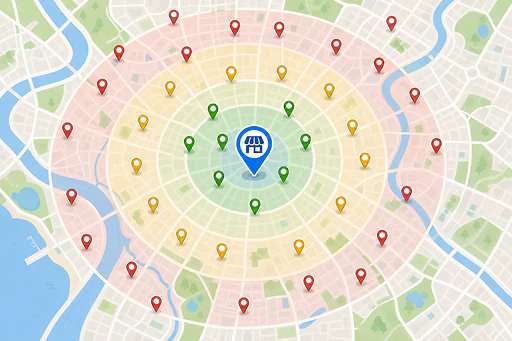
How to Rank Higher on Google Maps: A Practical Guide
Rank higher on Google Maps by optimizing your Google Business Profile for relevance, distance, and prominence, then tracking your rank across the map, not one average.
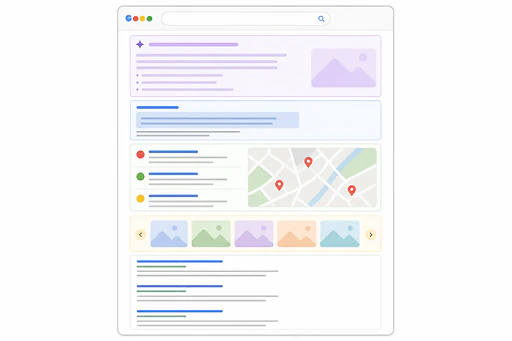
Rank Tracking: How It Works and What to Track
Rank tracking re-runs your keyword searches on a schedule and logs your position. How it works, why it disagrees with your browser, and what to track in 2026.
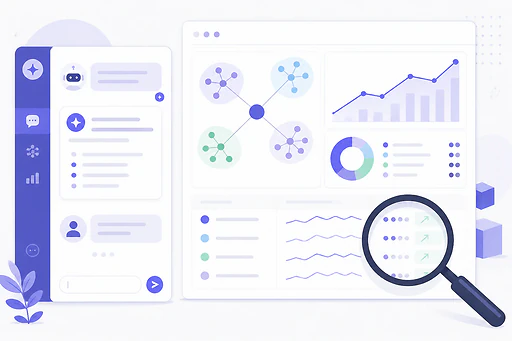
How to Use ChatGPT for SEO Without Made-Up Numbers
ChatGPT is a real SEO assistant until it has to guess. The copy-paste jobs it nails, plus how connecting your live SEO data over MCP changes the answers.
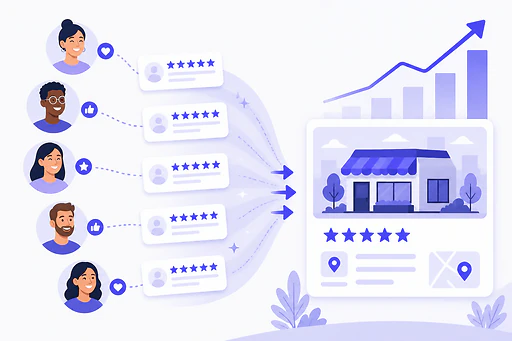
How to Get More Google Reviews Without Breaking the Rules
A working system for more Google reviews: the direct link, QR codes, when to ask, what counts as review gating, and how velocity moves the map pack.

Google Business Profile Optimization: The Real Levers
Optimize your Google Business Profile: the category, review, and freshness moves that shift the map pack, plus how to measure rank block by block.
Keyword Research: A Complete 2026 Guide
How to do keyword research in 2026: find seed keywords, judge volume, difficulty and intent, cluster them into pages, and track where you show up in AI answers.

SEO Audit: The Complete 2026 Guide and Checklist
A complete SEO audit guide: technical, on-page, content, backlinks, plus the local map grid and AI visibility most checklists miss. Turn findings into a plan.
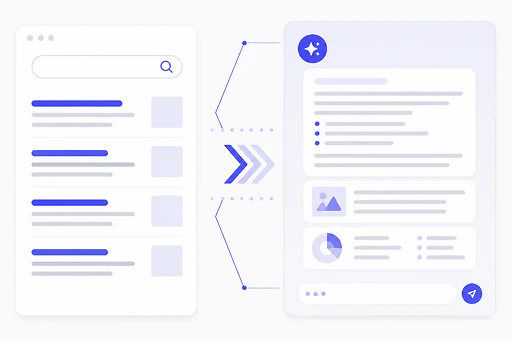
Generative Engine Optimization vs SEO: Key Differences
SEO ranks your pages in a list of links. GEO gets your brand cited inside AI answers from ChatGPT, Perplexity, and Google AI Overviews. Here's the difference.
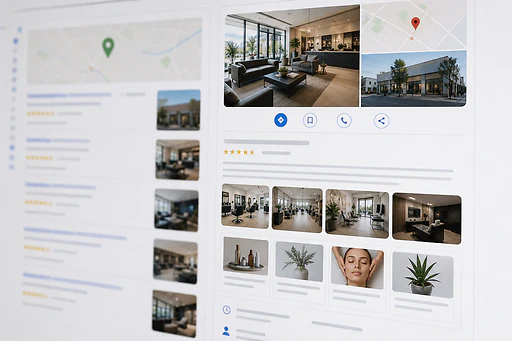
Local SEO Checklist: The Full 2026 Step-by-Step
A complete local SEO checklist ordered by impact: Google Business Profile, NAP and citations, reviews, local links, and tracking rank on the map and in AI.

Will AI Replace SEO? What Dies and What Compounds
AI answers already took the thin informational clicks. Here's what that killed, which search work compounds now, and how to track where you appear.
Google Business Profile Categories: Pick the Right Ones
Choose the right GBP primary and secondary categories, browse the full list, check competitors' picks, and avoid the mistakes that get listings filtered.

Generative Engine Optimization: A Practical GEO Guide
Generative engine optimization gets your brand cited in AI answers from ChatGPT, Perplexity, Gemini, and Google AI Overviews. Here's how GEO actually works.